And why more St. Louis families are choosing a different path.
A parent pulled into the car line of her daughter’s traditional school for the fourth time that week, she felt the familiar ache tightening in her chest. Her daughter, once bright-eyed and curious, now slumped into the passenger seat with a heaviness no seven-year-old should carry.
“Another worksheet day,” she whispered.
Another day of crowded hallways.
Another day with only 12 minutes of recess.
Another day where the loudest child received the most attention, and the quietest child disappeared into the background.
This parent drove home praying the prayer so many parents whisper late at night:
“Lord, is there another way?”
And then she discovered a microschool in St. Louis — a private school alternative called Agape Adventure Academy — a place where learning looked nothing like the traditional model she assumed was her only option.
What she found changed everything.
1. Microschools Keep What Matters. Traditional Schools Can’t.
The heart of a microschool St. Louis education is simple:
Small groups. Deep relationships. Christ at the center. Nature as the classroom. Joy as the atmosphere.
Traditional schools, even with the best intentions, are built on:
- large class sizes
- standardized testing
- limited outdoor time
- rigid pacing
- overfilled schedules
- overstimulation
Microschools flip that model upside down.
In a microschool:
- every child is known
- every child is safe
- every child learns at their own pace
- every child is discipled
- every child is embraced as image-bearer of God
In a traditional school, the system determines the pace.
In a microschool, the child determines the pace — and the Holy Spirit determines the atmosphere.
This is why microschools like Agape are becoming the leading private school alternative for Christian families in St. Louis.
2. A One-Room Schoolhouse Brings Out the Best in Children
At Agape Adventure Academy, our one-room schoolhouse model is not nostalgic — it’s powerful.
Parents often assume mixed-age learning will hold older students back or overwhelm younger ones.
The opposite is true.
A one-room schoolhouse strengthens:
- leadership
- compassion
- communication
- collaboration
- responsibility
- mentorship
- confidence
Younger students rise to meet the example of the older ones.
Older students grow into leaders, nurturers, and role models.
Christian education is meant to reflect the family of God, woven across ages, gifting, and maturity.
Meanwhile, traditional schools isolate students by age and ability, often preventing natural leadership from forming.
Microschools restore what education used to be — a community, not a crowd.

3. Smaller Class Sizes = More Peace, More Growth, More Childhood
In a traditional school, entire classroom rhythms are dictated by systems built for efficiency:
- bathroom breaks by group
- lunch by schedule
- learning by bell
- movement by permission
- recess by weather policy
- tests by state mandate
In a microschool, rhythms are set by:
- child readiness
- biblical values
- God’s natural world
- curiosity and calm
- seasons and nature
A microschool does not rush the child. It does not bury them in noise or numb them with overstimulation.
Microschools give children the one thing traditional schools cannot:
Time. Space. Peace. Presence.
Parents searching for a St. Louis Christian school discover, often with tears in their eyes, that their children simply breathe differently in a small, peaceful community.
This is the environment where childhood is restored.
4. Nature Is Not a Bonus — It’s the Classroom
Traditional schools often treat nature like an optional extra:
- a window
- a poster
- a rare field trip
- a weather chart inside a building
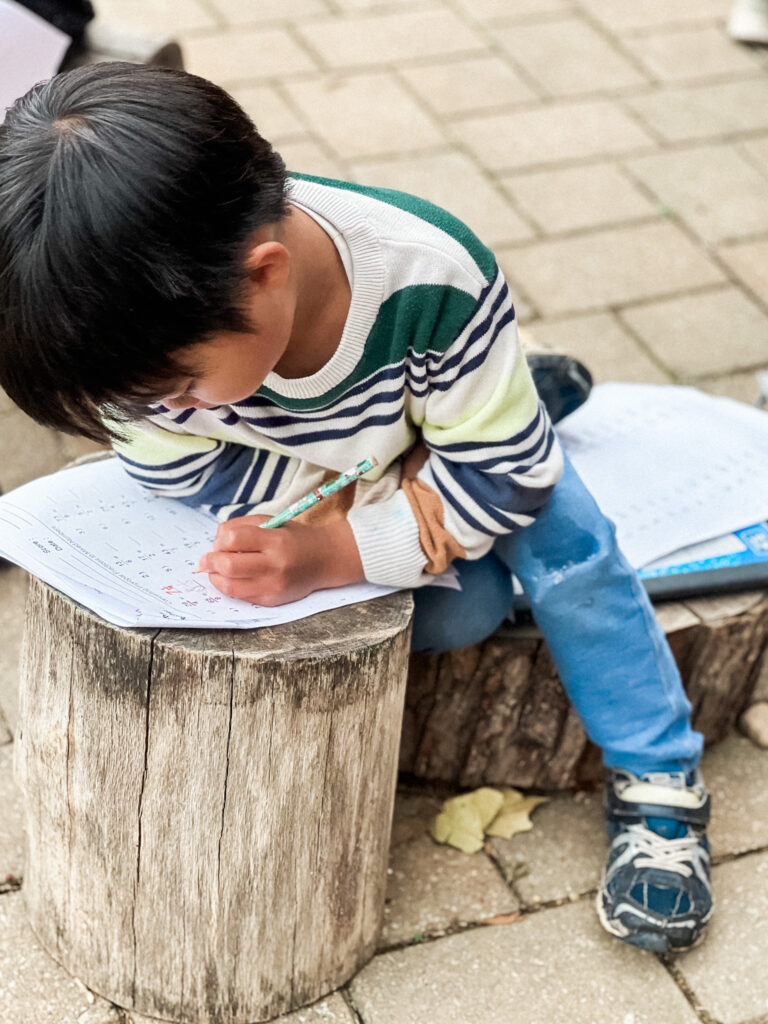
But a nature-based school in St. Louis treats creation as the primary learning environment — the way God originally intended children to learn.
Imagine your child:
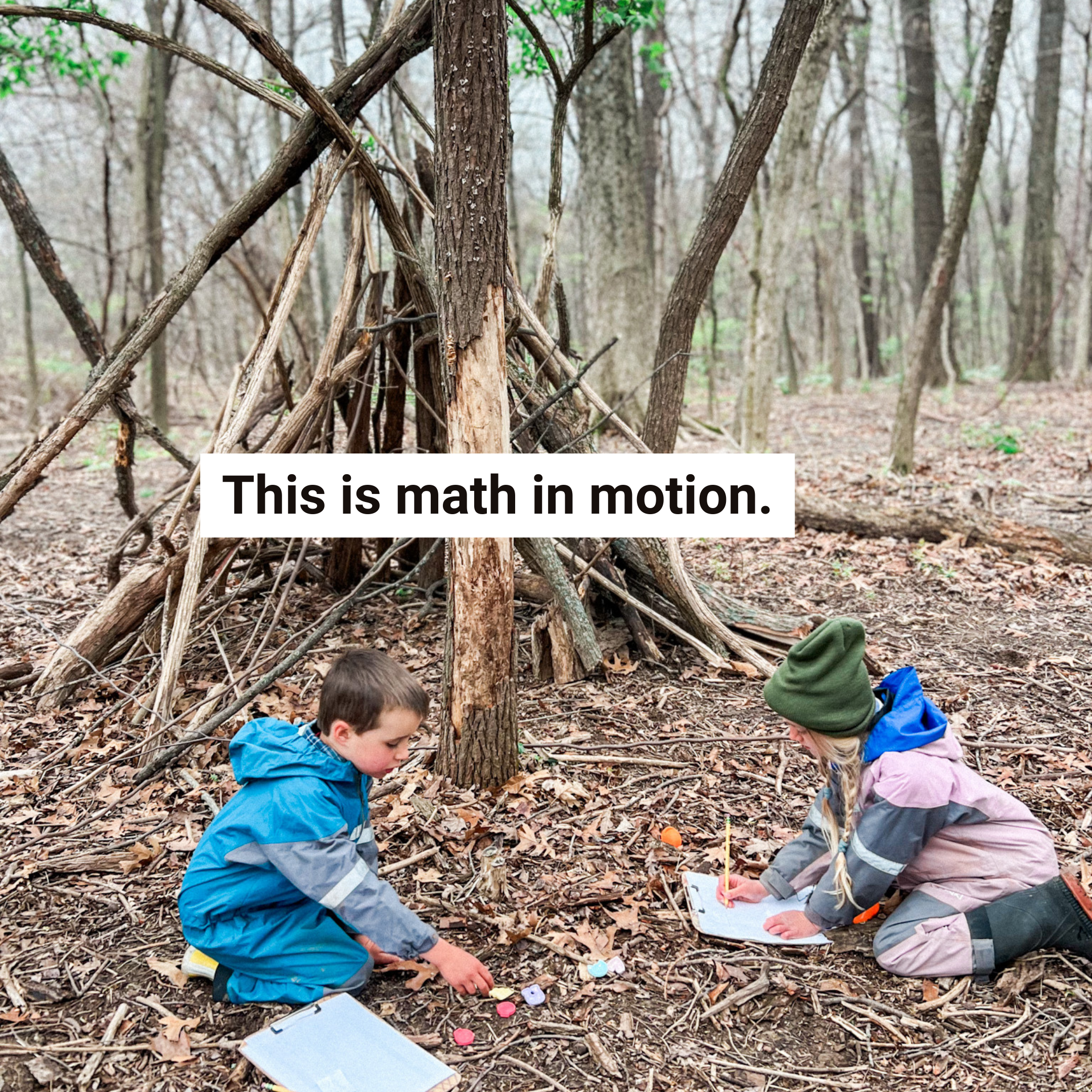
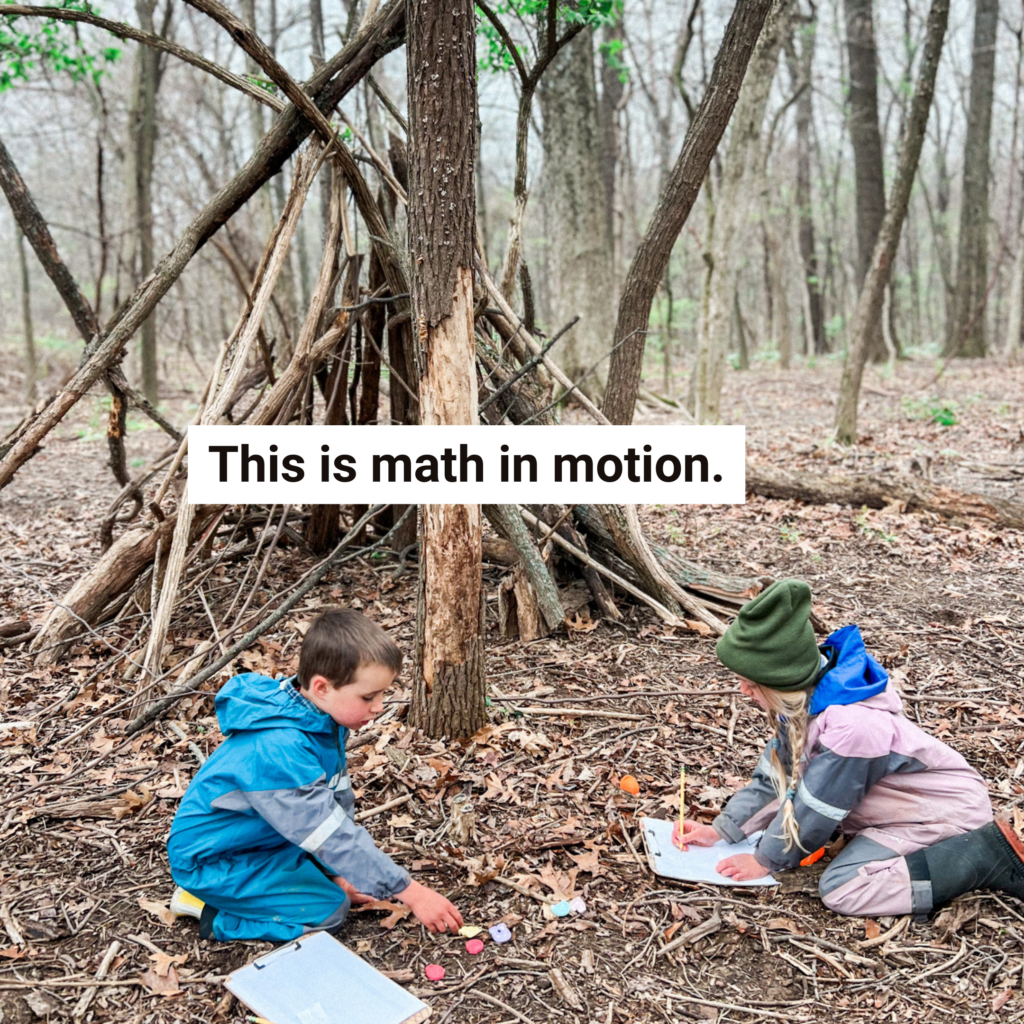
- learning fractions with pinecones in their hands
- studying biology under the sky
- exploring STEM by building shelters and measuring tree shadows
- memorizing Scripture while hiking trails
- doing phonograms with fresh air filling their lungs
- reviewing poems by a creek
- practicing leadership and courage on a forest day
This is the heart of a nature-based school — and why it resonates so deeply with families exhausted by screens, tablets, and fluorescent classrooms.
A microschool St. Louis can use outdoor learning freely in a way no traditional school can.
The result? Happier children. Calmer children. Healthier children. Brighter children.
This is the foundation of an outdoor learning Christian school — where creation is both content and context.
5. Personalized Learning Replaces Standardized Everything
Traditional schools rely heavily on:
- one-size-fits-all curriculum
- standardized pacing
- standard benchmarks
- standard assessments
- standard expectations
But God never made standard children.
Microschools allow individualized learning through:
- one-on-one instruction
- project-based exploration
- small-group mentoring
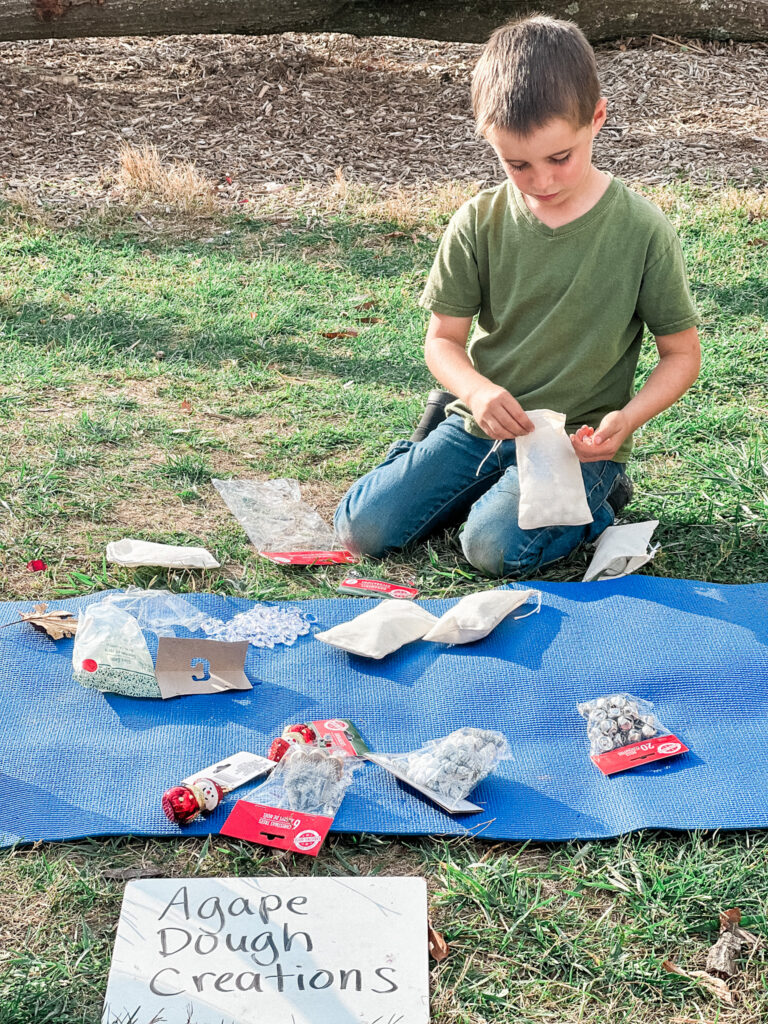
- hands-on curriculum
- student-led questions
- mastery-based progress
Some children soar in reading early.
Some build engineering structures before they can write complete sentences.
Some need movement to learn.
Some need stillness.
Microschools embrace these differences — not as problems, but as designs.
This is why families searching for a private school alternative feel instantly at home in a microschool environment.
6. Christian Formation Isn’t an Add-On — It’s the Foundation
In a traditional school, even Christian ones, faith often has to fit into the cracks.
In a microschool, faith forms the structure.
This is what Noah Brink emphasizes repeatedly:
Christian education is not Christian because of its label, but because of its discipleship.
In a microschool:
- Scripture memory happens in the woods
- prayer happens naturally, not formally
- conversations about God overflow from the day
- teachers shepherd children deeply
- character formation is intentional and embodied
- relationships anchor spiritual growth
This is why parents searching for a St. Louis Christian school find the microschool model profoundly meaningful — because faith isn’t just taught.
It is lived, breathed, and woven into every moment.
7. Microschools Restore the Joy of Learning
In traditional environments, the system can unintentionally drain joy from children:
- long days
- strict schedules
- limited play
- noise levels
- crowded rooms
- academic pressure
But at a microschool St. Louis, children rediscover:
- curiosity
- wonder
- imagination
- adventure
- play
- movement
- creativity
This is the Karen Kingsbury thread — storytelling that shows how a child comes alive again:
A little girl who once dreaded math now smiles measuring trees.
A little boy who struggled to sit still discovers that learning is easiest when moving.
A once-overwhelmed child blossoms in the small, relational community of a one-room schoolhouse.
These transformations are why parents choose microschools.
And why they stay.
8. Why St. Louis Families Are Shifting — And Why Now
Families across St. Louis are:
- reevaluating priorities
- craving peace, not pressure
- desiring more freedom and more faith
- wanting more nature and less noise
- seeking meaningful community
- choosing relationship over rigidity
The result?
A surge of interest in:
- microschools
- outdoor learning Christian schools
- classical Christian education
- nature-based schools in St. Louis
- private school alternatives
Parents want something that reflects their identity — their values, their faith, and the story they want for their children.
Oren Klaff would say:
“When parents choose a microschool, they are choosing the status of being intentional, thoughtful, and purpose-driven.”
This resonates deeply because parents know:
Childhood is short. Formation is eternal.
The Choice Before You
Microschools are not simply “smaller schools.”
They are a return to what truly matters.
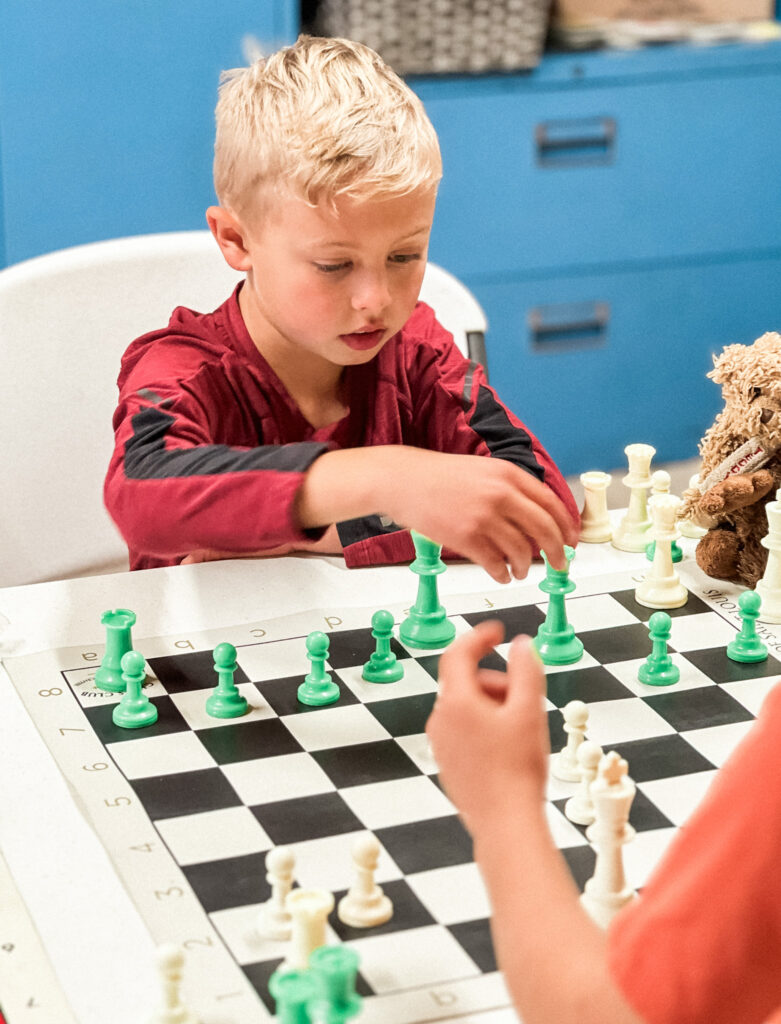
- Children who are known
- Teachers who are trusted
- A community that feels like family
- Faith that anchors every moment
- Nature that invites wonder
- Learning that restores joy
- A rhythm that protects childhood
This is the heart of Agape Adventure Academy — a microschool St. Louis families are turning to as a private school alternative that honors God, honors childhood, and honors the uniqueness of every learner.
If your spirit has been whispering:
There must be a better way…
There is.
And you’re invited to experience it.
➡️ Schedule a tour today and discover why more families are choosing microschools in St. Louis.
➡️ See what a one-room schoolhouse can do for your child.